What Is TMJ?
TMJ (temporomandibular joint dysfunction) refers to pain and tension in the jaw joint and surrounding muscles. This joint connects your jaw to your skull and is used constantly throughout the day for talking, chewing, and even facial expressions.
When this area becomes tight, inflamed, or misaligned, it can lead to ongoing discomfort that affects daily life.
Common Symptoms of TMJ
TMJ can present in a variety of ways, including:
Jaw pain or soreness
Clicking or popping when opening the mouth
Difficulty chewing or opening the jaw fully
Tension in the face, neck, or shoulders
Headaches or ear discomfort
Teeth grinding or clenching (often during sleep)
Because TMJ is often linked to stress and muscle tension, symptoms can worsen over time if not addressed.
What Causes TMJ?
There are several contributing factors to TMJ, including:
- Stress and jaw clenching
- Teeth grinding (bruxism)
- Muscle tension in the face and neck
- Poor posture
- Injury or overuse of the jaw
Since TMJ is often multifactorial, treating both the physical and underlying causes is key to long-term relief.
How Acupuncture Helps with TMJ
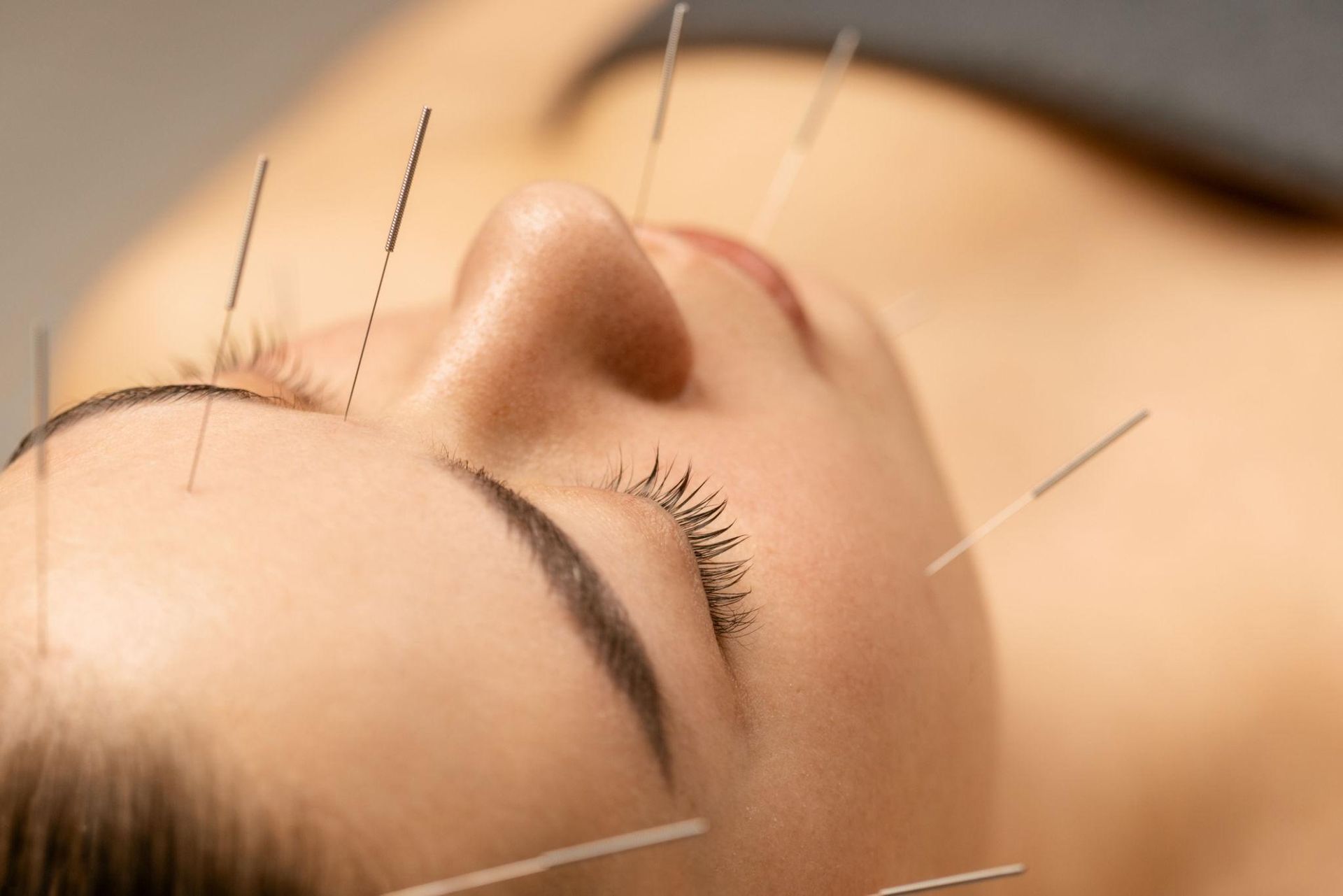
Acupuncture is a gentle and effective way to relieve TMJ symptoms by targeting both muscle tension and nervous system imbalance.
By placing fine needles in specific points around the jaw, face, and body, acupuncture can help:
- Relax tight jaw muscles
- Reduce inflammation in the joint
- Improve circulation to the area
- Decrease pain and discomfort
- Support the body in managing stress
Many clients notice reduced tension and improved jaw movement after treatment, along with an overall sense of relaxation.
Treating More Than Just the Jaw
Because TMJ is often connected to stress and tension throughout the body, acupuncture treatments may also focus on areas like the neck, shoulders, and nervous system.
This whole-body approach helps address the root cause of the issue—not just the symptoms—leading to more lasting results.
The Benefits of Consistent Treatment
While some relief may be felt after one session, regular acupuncture treatments can provide more lasting improvements.
With consistent care, many clients experience:
- Less jaw pain and tightness
- Reduced clenching and grinding
- Fewer headaches
- Improved jaw mobility
- Better overall relaxation
A Natural Approach to Jaw Relief
Living with TMJ can be frustrating, especially when it affects everyday activities like eating, speaking, or sleeping. Acupuncture offers a natural way to relieve discomfort while supporting your body’s ability to heal.
At Lotus Acupuncture and Wellness, each treatment is tailored to your specific symptoms and needs, ensuring a comfortable and personalized experience.
- If you’ve been dealing with jaw tension or TMJ symptoms, we’re here to help you find relief—naturally.

Contact Lotus Acupuncture & Wellness
Ready to experience the best acupuncture care in Southern NH? Contact Lotus Acupuncture & Wellness today:
📍 Location: 3 Mound Court Unit 4, Merrimack, NH 03054
📞 Phone: 603-377-6633
📧 Email: lotus@lotusacupuncturewellness.com
🌐 Website: www.lotusacupuncturewellness.com
With expert care, a patient-centered approach, and an ADA-accessible facility, Lotus Acupuncture & Wellness is the top choice for acupuncture in Merrimack, Amherst, Bedford, Milford, Nashua, Manchester, and beyond.
Take the first step toward natural healing and well-being—schedule your appointment today! ✨