What Is the Mind-Gut Connection?
The gut and brain are connected through a complex network of nerves, hormones, and chemical messengers known as the gut-brain axis. One of the primary pathways is the vagus nerve, which allows constant communication between the digestive tract and the brain.
When you're relaxed, your body enters what is often called the "rest and digest" state. Blood flow increases to the digestive organs, stomach acid and digestive enzymes are released appropriately, and food moves through the intestines efficiently.
When you're under stress, however, your body shifts into "fight or flight" mode. Instead of prioritizing digestion, it focuses on survival. Blood flow is redirected away from the digestive tract, digestion slows or becomes irregular, and symptoms may begin to appear.
How Stress Can Affect Digestion
Chronic stress doesn't just affect your mood—it can affect nearly every part of the digestive process.
Common symptoms include:
- Bloating after meals
- Acid reflux or heartburn
- Constipation
- Diarrhea
- Irritable bowel symptoms
- Abdominal discomfort
- Increased food sensitivities
- Poor nutrient absorption
- Feeling full quickly
- Nausea
Many people notice these symptoms worsen during periods of emotional stress, poor sleep, or major life changes.
Why Your Gut Is Often Called the "Second Brain"
Your digestive tract contains hundreds of millions of nerve cells that work independently while remaining in constant communication with your brain. Because of this extensive nervous system, many researchers refer to the gut as the body's "second brain."
The gut also produces many important neurotransmitters that influence mood and emotional health. While the relationship is complex, it's clear that digestive health and mental well-being are closely connected.
When digestion is functioning well, many people experience improved energy, better sleep, and a greater sense of overall wellness.
The Traditional Chinese Medicine Perspective
Traditional Chinese Medicine has recognized the relationship between emotions and digestion for thousands of years.
Rather than viewing symptoms as isolated problems, TCM looks at how different organ systems influence one another.
For example:
- Excessive stress may disrupt the smooth movement of Qi, leading to bloating, abdominal discomfort, or changes in bowel habits.
- Worry and overthinking can weaken digestive function over time, contributing to fatigue, poor appetite, or loose stools.
- Chronic digestive imbalance may eventually affect sleep, hormones, immune health, and energy levels.
Instead of treating one symptom at a time, acupuncture aims to restore balance throughout the body.
Signs Your Nervous System May Be Affecting Your Digestion
You may benefit from a whole-body approach if you notice:
- Digestive symptoms that become worse during stressful periods
- Bloating despite eating healthy foods
- Feeling exhausted after meals
- Alternating constipation and diarrhea
- Difficulty relaxing
- Trouble sleeping
- Frequent headaches or muscle tension
- Feeling anxious along with digestive discomfort
These symptoms often point toward an imbalance involving both the nervous system and digestive function.
How Acupuncture May Help
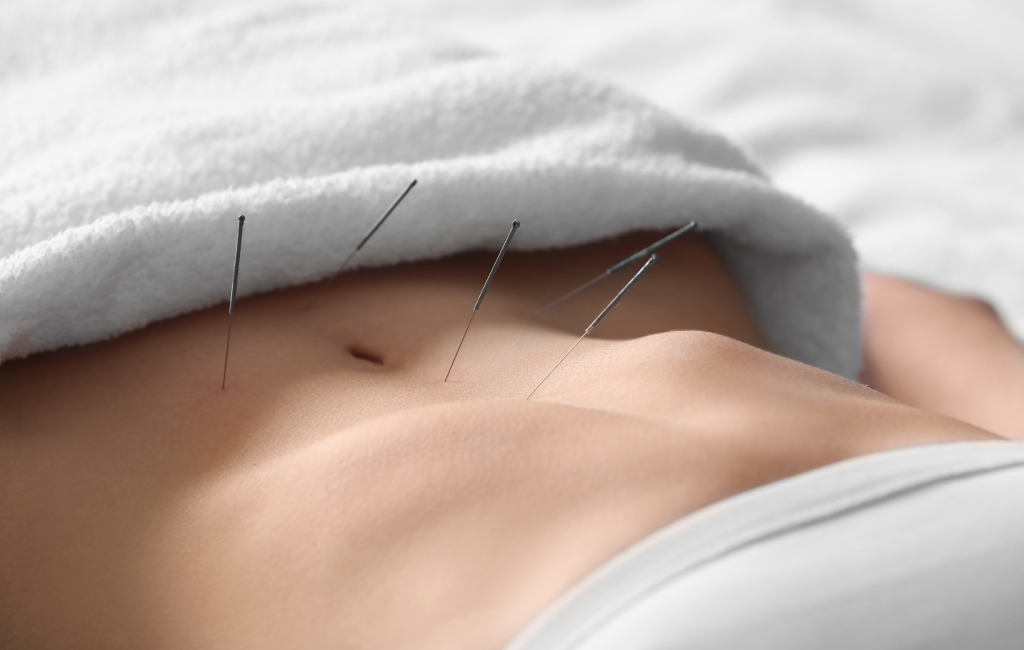
Acupuncture is designed to support the body's natural ability to regulate itself.
Many patients report improvements such as:
- Reduced bloating
- Better bowel regularity
- Less abdominal discomfort
- Improved sleep quality
- Reduced stress and tension
- Increased energy
- Greater overall sense of calm
Acupuncture treatments are individualized. During your visit, we evaluate your health history, current symptoms, lifestyle, sleep patterns, stress levels, digestion, pulse, and tongue to create a treatment plan tailored to your needs.
Supporting Your Gut Between Treatments
Healthy digestion involves more than just what you eat. Consider these simple habits:
- Slow Down at Mealtime
- Eating quickly can interfere with digestion. Try sitting down without distractions and chewing your food thoroughly.
- Manage Daily Stress
- Even a few minutes of deep breathing, walking, meditation, or gentle stretching each day can help calm the nervous system.
- Prioritize Sleep
- Quality sleep supports digestion, hormone balance, and tissue repair.
- Choose Warm, Nourishing Meals
- From a TCM perspective, warm cooked foods are often easier to digest than large amounts of cold or processed foods, especially if you're experiencing bloating or digestive weakness.
- Stay Hydrated
- Adequate hydration supports healthy digestion and bowel function throughout the day.
A Whole-Person Approach
At Lotus Acupuncture & Wellness, we believe that lasting health comes from treating the root cause—not simply masking symptoms.
Digestive issues are rarely isolated. They often reflect what's happening throughout the body, including stress levels, sleep quality, hormonal balance, nutrition, and emotional health.
Our goal is to help restore balance so your body can function as efficiently as possible.

Contact Lotus Acupuncture & Wellness
Ready to experience the best acupuncture care in Southern NH? Contact Lotus Acupuncture & Wellness today:
📍 Location: 3 Mound Court Unit 4, Merrimack, NH 03054
📞 Phone: 603-377-6633
📧 Email: lotus@lotusacupuncturewellness.com
🌐 Website: www.lotusacupuncturewellness.com
With expert care, a patient-centered approach, and an ADA-accessible facility, Lotus Acupuncture & Wellness is the top choice for acupuncture in Merrimack, Amherst, Bedford, Milford, Nashua, Manchester, and beyond.
Take the first step toward natural healing and well-being—schedule your appointment today! ✨