Autoimmune diseases occur when the body's immune system mistakenly attacks its own cells and tissues, leading to chronic inflammation, pain, and dysfunction. Conditions like rheumatoid arthritis, lupus, multiple sclerosis, Hashimoto’s thyroiditis, and Crohn’s disease can significantly impact daily life, often requiring long-term medication and management strategies.
While conventional treatments focus on
suppressing the immune response, acupuncture and
Traditional Chinese Medicine (TCM) take a
holistic approach, aiming to
restore balance, reduce inflammation, and improve overall well-being.
Understanding Autoimmune Conditions in Traditional Chinese Medicine (TCM)
In TCM, autoimmune conditions are often viewed as imbalances in Qi (vital energy), blood, and organ function. When the body's natural balance is disrupted—due to stress, poor digestion, environmental toxins, or genetic predisposition—it can lead to an overactive or deficient immune response.
Common TCM Patterns in Autoimmune Disorders:
✔
Qi Deficiency – Low energy, fatigue, and weak immune function.
✔
Blood Stagnation – Poor circulation leading to pain, stiffness, and swelling.
✔
Dampness Accumulation – Joint pain, bloating, and brain fog.
✔
Heat & Inflammation – Chronic inflammation causing flare-ups and tissue damage.
By addressing the underlying imbalances, acupuncture can regulate the immune system and help reduce flare-ups and symptoms associated with autoimmune conditions.
How Acupuncture Helps Autoimmune Disorders
Acupuncture works by stimulating specific points on the body to:
✔ Regulate the Immune System – Acupuncture helps balance an overactive or weakened immune response, preventing excessive inflammation and tissue damage.
✔
Reduce Chronic Inflammation – It
stimulates anti-inflammatory pathways in the body, easing pain and swelling.
✔
Improve Circulation & Organ Function – Enhancing blood flow and energy levels
supports healing and tissue repair.
✔
Alleviate Fatigue & Brain Fog – Many autoimmune disorders cause
chronic fatigue and cognitive dysfunction, which acupuncture can help improve.
✔
Reduce Stress & Emotional Strain – Stress is a
major trigger for autoimmune flares. Acupuncture helps
calm the nervous system and reduce anxiety.
✔
Support Digestive Health – Many autoimmune diseases are linked to
gut health and inflammation. Acupuncture can
regulate digestion and reduce gastrointestinal symptoms.

Autoimmune Conditions That Acupuncture Can Help
Acupuncture and Chinese Medicine have been used for centuries to support the immune system and relieve symptoms of various autoimmune diseases, including:
✔
Rheumatoid Arthritis (RA) – Reduces
joint pain, stiffness, and swelling.
✔
Multiple Sclerosis (MS) – Helps
improve mobility, fatigue, and nerve function.
✔
Lupus (SLE) – Alleviates
fatigue, joint pain, and systemic inflammation.
✔
Hashimoto’s Thyroiditis – Supports
thyroid function and energy levels.
✔
Psoriasis & Eczema – Reduces
inflammation, skin irritation, and flare-ups.
✔
Inflammatory Bowel Disease (IBD, Crohn’s, Ulcerative Colitis) – Helps regulate
digestion, reduce bloating, and control flare-ups.
✔
Sjogren’s Syndrome – Relieves
dry mouth, dry eyes, and joint pain.
✔
Type 1 Diabetes – Supports
blood sugar regulation and immune function.
What to Expect During Treatment
📅
Recommended Treatment Plan:
🔹
6–10 weekly sessions to
reduce inflammation and restore balance.
🔹
Biweekly or monthly maintenance treatments to
prevent flare-ups and support long-term health.
During your session, your acupuncturist may use:
✔
Acupuncture Therapy – Placing
thin, sterile needles at specific points to regulate immune function and reduce pain.
✔
Herbal Medicine – Chinese herbs tailored to your condition can
support digestion, immunity, and inflammation control.
✔
Cupping Therapy – Improves
circulation and reduces muscle tension.
✔
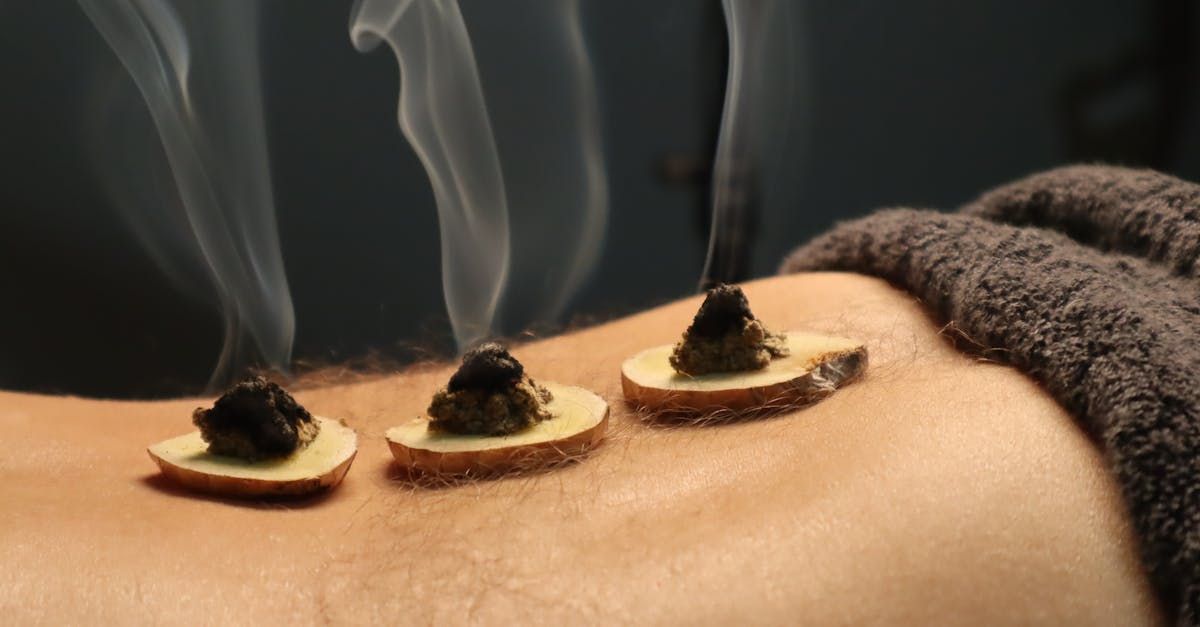
Moxibustion (Heat Therapy) – Stimulates healing and enhances
energy flow.
✔
Dietary & Lifestyle Recommendations – Guidance on
nutrition, stress management, and movement to prevent autoimmune flare-ups.
Self-Care Tips for Managing Autoimmune Disorders
🌿
Support Your Gut Health – A healthy gut microbiome
reduces systemic inflammation. Try
bone broth, fermented foods, and a balanced diet.
🌿
Prioritize Rest & Sleep – Good sleep is essential for
immune regulation and recovery.
🌿
Reduce Stress – Meditation, acupuncture, and deep breathing can
help regulate immune function.
🌿
Stay Active (Gently!) – Light exercise, like
yoga or walking, supports circulation and mobility.
🌿
Avoid Processed & Inflammatory Foods – Reduce
sugar, dairy, and gluten, which can trigger immune responses.
🌿
Hydration is Key – Drink
plenty of water to support detoxification and reduce inflammation.

Contact Lotus Acupuncture & Wellness
Ready to experience the best acupuncture care in Southern NH? Contact Lotus Acupuncture & Wellness today:
📍 Location: 3 Mound Court Unit 4, Merrimack, NH 03054
📞 Phone: 603-377-6633
📧 Email: lotus@lotusacupuncturewellness.com
🌐 Website: www.lotusacupuncturewellness.com
With expert care, a patient-centered approach, and an ADA-accessible facility, Lotus Acupuncture & Wellness is the top choice for acupuncture in Merrimack, Amherst, Bedford, Milford, Nashua, Manchester, and beyond.
Take the first step toward natural healing and well-being—schedule your appointment today! ✨