If you've been thinking about refreshing your appearance without surgery, you've probably come across two popular options: Botox and cosmetic acupuncture. While both aim to reduce the appearance of aging, they work in very different ways.
At Lotus Acupuncture & Wellness, we believe the best treatment is one that aligns with your goals, lifestyle, and overall health. Here's what you should know before deciding.
What Is Botox?
Botox is an injectable medication that temporarily relaxes specific facial muscles. By limiting muscle movement, it can soften dynamic wrinkles—those caused by repeated facial expressions such as smiling, frowning, or squinting.
Botox is commonly used to treat:
- Forehead lines
- Frown lines ("11s")
- Crow's feet
- Bunny lines
- Chin dimpling
Results typically begin within a few days, reach their full effect in about two weeks, and generally last three to four months.
What Is Cosmetic Acupuncture?
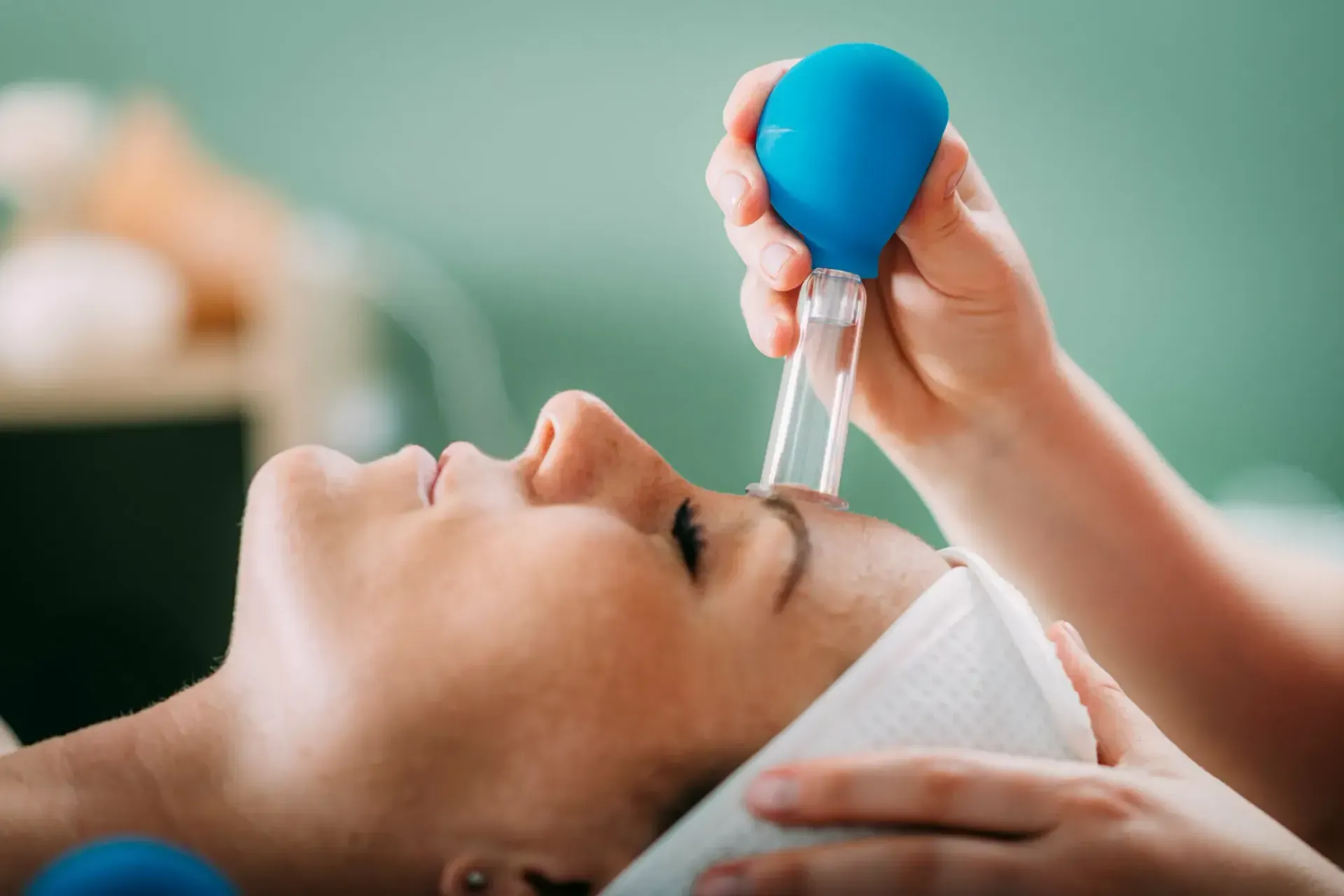
Cosmetic acupuncture, also known as facial rejuvenation acupuncture, is a holistic treatment that uses very fine needles placed on the face and body. Rather than relaxing facial muscles, acupuncture encourages the body's natural healing processes by improving circulation, supporting collagen production, and promoting healthy skin function.
Unlike treatments that focus only on the face, cosmetic acupuncture also addresses internal factors that influence skin health, including:
- Stress
- Sleep quality
- Digestion
- Hormonal balance
- Circulation
- Overall wellness
The goal is healthier, more radiant skin that reflects improved internal balance.
How They Work
Botox
Botox works by temporarily blocking nerve signals to targeted muscles. Less muscle movement means expression lines become less noticeable.
Cosmetic Acupuncture
Cosmetic acupuncture creates tiny, controlled micro-stimulations that encourage the body's natural repair response. This may support:
- Increased circulation
- Collagen and elastin production
- Improved muscle tone
- Reduced puffiness
- Healthier skin texture
- A brighter complexion
Instead of freezing movement, cosmetic acupuncture aims to support the skin's natural vitality while preserving facial expression.
Comparing the Two
Cosmetic Acupuncture
- Encourages the body's natural healing response
- Preserves natural facial expressions
- Addresses overall wellness and skin health
- Improvements develop gradually
- No injected medications
- Treatment plans are individualized
Botox
- Temporarily relaxes targeted muscles
- Reduces movement in treated muscles
- Primarily targets wrinkles
- Results appear relatively quickly
- Injectable prescription medication
- Standard dosing based on treatment area
Which One Lasts Longer?
Botox generally produces visible changes more quickly, but maintenance treatments are typically needed every three to four months.
Cosmetic acupuncture usually involves a series of treatments—often 8 to 12 sessions—followed by periodic maintenance. While improvements develop more gradually, many patients find that ongoing treatments support healthier-looking skin over time.
Is Cosmetic Acupuncture Painful?
Most people are surprised by how comfortable treatment feels.
The needles used for cosmetic acupuncture are much finer than those used for injections or blood draws. Many patients describe little more than a brief sensation during insertion before relaxing deeply. It's common to leave a session feeling refreshed rather than uncomfortable.
Can Cosmetic Acupuncture Replace Botox?
The answer depends on your goals.
If your primary objective is to temporarily minimize specific expression lines as quickly as possible, Botox may be an appropriate option.
If you're looking for a natural approach that supports healthier skin, improves circulation, promotes collagen production, and addresses whole-body wellness, cosmetic acupuncture may be a better fit.
Some individuals even choose to combine both approaches under the guidance of their healthcare providers, depending on their aesthetic goals.
Who Is a Good Candidate for Cosmetic Acupuncture?
Cosmetic acupuncture may be a good choice if you:
- Prefer natural treatments
- Want to age gracefully rather than dramatically alter your appearance
- Are interested in improving overall skin health
- Want to reduce stress while enhancing your complexion
- Appreciate a whole-body approach to wellness
Experience Natural Facial Rejuvenation
At Lotus Acupuncture & Wellness, cosmetic acupuncture is more than a beauty treatment—it's a holistic approach to supporting healthy skin and overall well-being. Every treatment plan is personalized to your unique concerns and goals.
Whether you're hoping to soften fine lines, improve skin tone, reduce puffiness, or simply restore a healthy glow, we'll work with you to create a plan that helps you look refreshed while still looking like yourself.
Contact Lotus Acupuncture & Wellness
Ready to experience the best acupuncture care in Southern NH? Contact Lotus Acupuncture & Wellness today:
📍 Location: 3 Mound Court Unit 4, Merrimack, NH 03054
📞 Phone: 603-377-6633
📧 Email: lotus@lotusacupuncturewellness.com
🌐 Website: www.lotusacupuncturewellness.com
With expert care, a patient-centered approach, and an ADA-accessible facility, Lotus Acupuncture & Wellness is the top choice for acupuncture in Merrimack, Amherst, Bedford, Milford, Nashua, Manchester, and beyond.
Take the first step toward natural healing and well-being—schedule your appointment today! ✨