You may recognize gua sha as the smooth stone tool often featured in skincare routines. But long before facial gua sha became popular online, gua sha was used as a therapeutic technique within Traditional Chinese Medicine.
Professional body gua sha and gentle facial gua sha share the same roots, but they are not performed in the same way. Body treatments typically use firmer pressure to address muscular tension and pain, while facial gua sha uses much lighter pressure to support circulation, relaxation, and the temporary movement of fluid.
At Lotus Acupuncture & Wellness in Merrimack, New Hampshire, gua sha may be incorporated into an individualized acupuncture or cosmetic treatment when appropriate.
What Is Gua Sha?
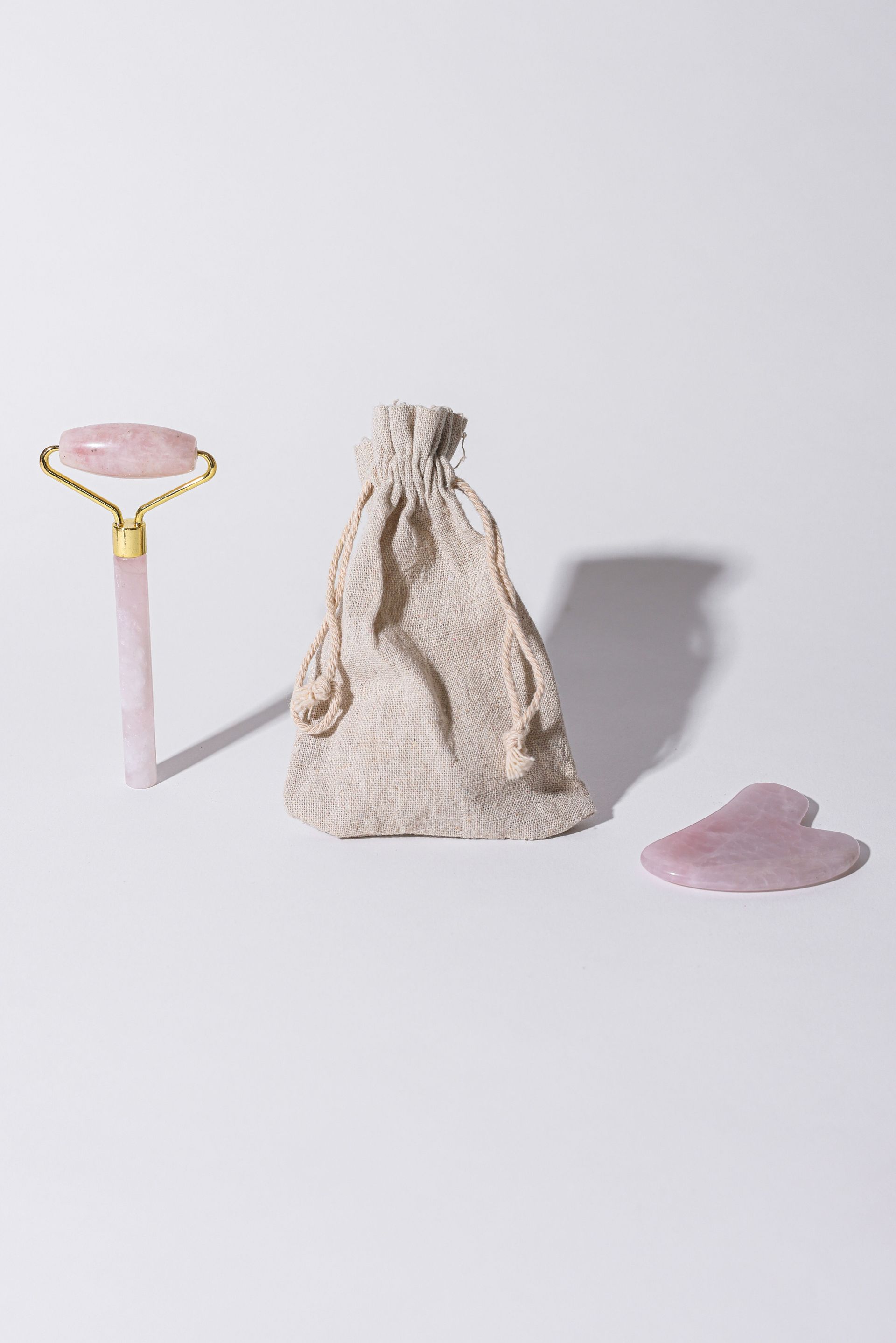
Gua sha is a hands-on technique in which a practitioner applies a lubricant to the skin and uses a smooth-edged tool to make repeated strokes over a specific area.
The word gua refers to rubbing or scraping, while sha describes the temporary redness or small red-purple marks that may appear during traditional body gua sha.
Although the word “scraping” can sound harsh, a properly performed treatment is controlled and adapted to the patient’s comfort. The purpose is not to damage the skin or create the darkest possible marks.
Tools may be made from materials such as stone, stainless steel, ceramic, or horn. The material matters less than the tool’s smooth edge, cleanliness, and the practitioner’s technique.
Body Gua Sha and Facial Gua Sha Are Different
Therapeutic body gua sha
Body gua sha is often performed over larger muscle groups, including the:
Neck
Shoulders
Upper and lower back
Arms
Hips
Thighs
Calves
Moderate pressure may be used to work through muscular or fascial tension. Temporary red or purple speckling—known as sha—may develop and usually fades over several days.
Facial gua sha
Facial gua sha is much gentler. The tool glides lightly across the face and neck using oil, serum, or another suitable product.
Facial treatment should not create the pronounced petechiae expected from traditional body gua sha. The goals are more often relaxation, temporary reduction in puffiness, and support for local circulation.
Potential Benefits for the Body
Relief from muscular tension
Gua sha may help relax tight areas of muscle and fascia, particularly around the neck, shoulders, and back. Many patients describe a sense of lightness or easier movement after treatment.
A small randomized trial involving people with chronic neck pain found short-term improvements in pain and function following gua sha. The study was encouraging, but larger and longer-term research is still needed.
Research has shown that gua sha can temporarily increase microcirculation in the treated area. This may contribute to the sensation of warmth and the temporary changes in skin color seen after body gua sha.
Improved local blood flow should not be confused with “removing toxins.” The liver, kidneys, lungs, and digestive system perform the body’s primary detoxification work. Gua sha is better described as a technique that mechanically stimulates the skin and underlying tissues.
Support for mobility and recovery
When tight muscles or fascia limit comfortable movement, gua sha may be used alongside acupuncture, stretching, physical therapy, or other appropriate care.
It does not repair a torn muscle, reverse arthritis, or correct structural damage. Its potential value is in symptom management—helping reduce tension and supporting more comfortable movement.
Relaxation
The rhythmic strokes of gua sha can be soothing. For some patients, releasing neck, shoulder, or jaw tension also creates a broader feeling of relaxation.
Potential Benefits for the Skin and Face
Temporary reduction in puffiness
Light facial strokes may help move superficial fluid and temporarily reduce the appearance of puffiness, especially around the cheeks and jawline.
Results are generally temporary. Facial gua sha does not permanently reshape bone structure or “melt” facial fat.
A brighter, refreshed appearance
Because facial massage can temporarily increase local circulation, the skin may appear warmer, brighter, or more refreshed immediately after treatment.
This should not be confused with permanent skin transformation. Evidence supporting dramatic claims about wrinkle removal, collagen production, or long-term facial lifting remains limited.
Relief from facial and jaw tension
Many people hold tension in the jaw, forehead, and muscles around the eyes. Gentle gua sha may help relax these areas and can be incorporated into treatment for jaw clenching, facial tension, or stress-related tightness when medically appropriate.
A mindful skincare ritual
Facial gua sha can also encourage people to slow down, notice areas of tension, and apply skincare products gently. Even when cosmetic changes are subtle or temporary, the relaxation and consistency of the ritual may still feel beneficial.
What Does Gua Sha Feel Like?
Body gua sha may feel like firm massage or repeated pressure along a tight muscle. The intensity should remain tolerable, and you should tell your practitioner if the pressure feels sharp, painful, or excessive.
Facial gua sha should feel light and comfortable. More pressure does not produce better cosmetic results and may irritate delicate facial skin.
After body gua sha, the treated area may feel warm or mildly tender. Redness, petechiae, or bruise-like discoloration may remain visible for a few days. Facial gua sha typically produces only mild, short-lived pinkness.
Is Gua Sha Safe?
Gua sha is generally well tolerated when performed properly, but it is not appropriate over every area or for every patient.
It should not be performed over:
- Broken, burned, sunburned, or infected skin
- Active rashes or significant skin irritation
- Open wounds or recent incisions
- Unexplained lumps or swelling
- Areas with a suspected fracture or acute injury
Sites of recent injections or cosmetic procedures unless cleared by the treating provider
Tell your practitioner if you take blood-thinning medication, bruise easily, have a bleeding or clotting disorder, have reduced skin sensation, are pregnant, recently had surgery, or are receiving cancer treatment.
Professional evaluation is especially important when facial or body pain is new, severe, or accompanied by weakness, numbness, fever, unexplained swelling, or other concerning symptoms.
Can You Perform Facial Gua Sha at Home?
Gentle facial gua sha can often be practiced at home, but technique matters.
Use clean hands, a clean tool, and enough facial oil or serum to prevent pulling the skin. Keep the pressure light, move slowly, and avoid irritated or broken skin. Stop if the treatment causes pain, prolonged redness, bruising, or worsening irritation.
A professional can demonstrate appropriate pressure and direction based on your skin, health history, and goals. Body gua sha—especially when intended to create sha or address pain—is best performed by a properly trained practitioner.
How Gua Sha Is Used at Lotus
At Lotus Acupuncture & Wellness, gua sha is not a one-size-fits-all add-on. We consider your health history, symptoms, skin condition, comfort, and treatment goals before deciding whether it is appropriate.
Body gua sha may be combined with acupuncture to address muscular tension or restricted movement. Gentle facial gua sha may be included in a cosmetic acupuncture treatment to support relaxation, circulation, and a refreshed appearance.
Our goal is thoughtful, individualized care—not aggressive treatment or exaggerated promises.
Experience Gua Sha in Merrimack, New Hampshire
Whether you are looking for help with tight shoulders, neck tension, facial puffiness, jaw tightness, or a relaxing addition to cosmetic acupuncture, gua sha may be a useful part of your personalized treatment plan.
Contact Lotus Acupuncture & Wellness to learn whether body or facial gua sha is appropriate for you.
- Lotus Acupuncture & Wellness
3 Mound Court, Unit 4
Merrimack, NH 03054
Call or text: (603) 377-6633
lotusacupuncturewellness.com