Irregular periods. Acne. Unwanted hair growth. Difficulty losing weight. Trouble conceiving. Fatigue. Anxiety.
Polycystic ovary syndrome, commonly known as PCOS, can affect much more than the menstrual cycle. It is a complex hormonal and metabolic condition that can influence ovulation, fertility, blood-sugar regulation, cardiovascular health, and emotional well-being.
At Lotus Acupuncture & Wellness in Merrimack, New Hampshire, we offer individualized acupuncture and Traditional Chinese Medicine as complementary support for women with PCOS—alongside appropriate medical care, nutrition, movement, and fertility treatment when needed.
What Is PCOS?
PCOS is a common hormonal disorder affecting people of reproductive age. It is associated with irregular ovulation and higher-than-expected androgen activity. Despite its name, a person does not need to have ovarian cysts to be diagnosed with PCOS.
Symptoms vary widely and may include:
- Irregular, infrequent, or absent periods
- Unpredictable or heavy bleeding
- Difficulty ovulating
- Difficulty becoming pregnant
- Acne or oily skin
- Increased facial or body hair
- Thinning hair on the scalp
- Weight changes or difficulty managing weight
- Insulin resistance
- Fatigue
- Anxiety, depression, or changes in self-confidence
- Darkened or thickened patches of skin
Some people have only a few symptoms and may not realize they have PCOS until they begin trying to conceive.
PCOS is also associated with a higher risk of prediabetes or type 2 diabetes, high blood pressure, abnormal cholesterol, sleep apnea, and changes to the uterine lining. This is why PCOS care should address long-term health—not only periods or fertility.
How Is PCOS Diagnosed?
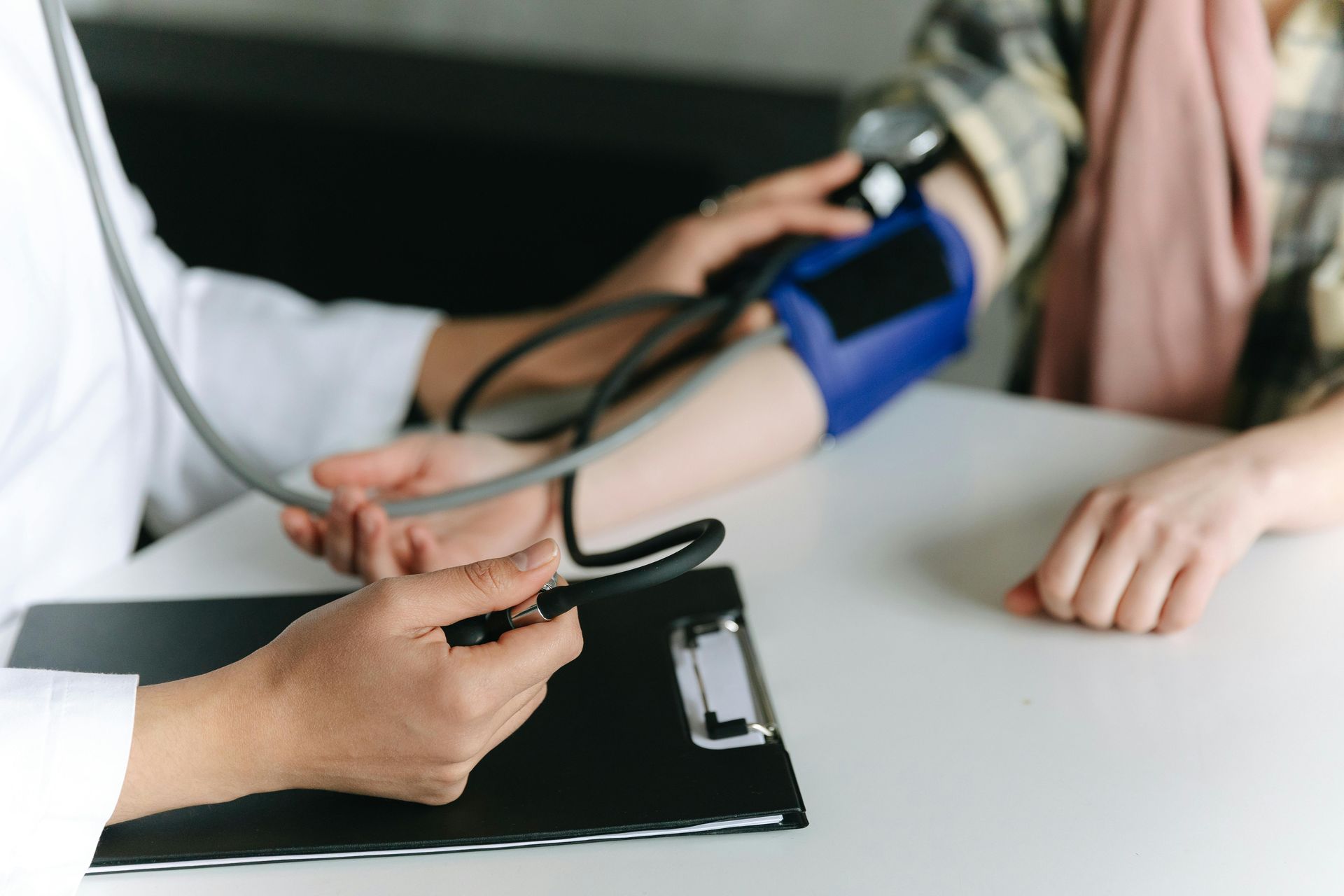
There is no single test that diagnoses every case of PCOS. A medical provider may review your menstrual history, symptoms, physical findings, laboratory work, and sometimes a pelvic ultrasound.
Other conditions can cause irregular periods, acne, hair changes, or difficulty conceiving, including thyroid disorders, elevated prolactin, pregnancy, and other hormonal conditions. A complete medical evaluation is important before assuming symptoms are caused by PCOS.
PCOS and Irregular Cycles
Many people with PCOS do not ovulate consistently. Without regular ovulation, menstrual cycles may become long, unpredictable, or absent. Some women experience only a few periods per year, while others have irregular spotting or episodes of heavier bleeding.
Acupuncture may be used as one part of an individualized plan to support menstrual health and overall well-being.
Research has explored possible effects on menstrual frequency, nervous-system regulation, and certain hormonal or metabolic measures. However, results are inconsistent, and current evidence does not establish acupuncture as a cure for PCOS.
If your periods are very infrequent, speak with your medical provider. Going long periods without bleeding may allow the uterine lining to build up, and medical treatment may be recommended to protect your health.
PCOS, Stress, and the Nervous System
Living with unpredictable cycles, skin or hair changes, weight concerns, and fertility uncertainty can be emotionally exhausting. PCOS is associated with higher rates of anxiety and depression, and stress may make sleep, food choices, and symptom management more difficult.
Acupuncture may provide supportive care by encouraging relaxation, easing muscular tension, and helping some patients feel less overwhelmed. Treatment may also address concerns such as poor sleep, headaches, digestive discomfort, or fatigue when they are part of the individual presentation.
Stress reduction does not “fix” PCOS, and PCOS is not caused by a woman failing to relax. Emotional support is one part of comprehensive care—not a replacement for appropriate medical and metabolic treatment.
PCOS and Fertility
PCOS is one of the most common causes of ovulatory infertility. When ovulation is irregular, identifying the fertile window and conceiving can be more difficult. However, many women with PCOS become pregnant naturally or with treatment.
Medical fertility care may include medications that stimulate ovulation, treatment for insulin resistance, intrauterine insemination, or IVF, depending on the individual situation.
Acupuncture may be incorporated as complementary support during the fertility journey. Treatment goals may include:
- Supporting stress management
- Encouraging better sleep
- Addressing headaches, tension, or digestive symptoms
- Providing consistent whole-person support during monitored cycles
- Helping patients cope with fertility medications and procedures
Research on acupuncture for PCOS-related fertility remains mixed. Some reviews report possible improvements in menstrual patterns or selected reproductive outcomes, while higher-quality reviews have found insufficient evidence that acupuncture improves ovulation, pregnancy, or live-birth rates. Acupuncture should not be presented as a substitute for ovulation medication, fertility evaluation, or reproductive endocrinology care.
When acupuncture is used during IUI or IVF, treatment should be coordinated with the fertility team. Patients should also disclose all medications, injections, supplements, and herbs.
PCOS Through the Lens of Traditional Chinese Medicine
Traditional Chinese Medicine does not treat every person with PCOS the same way. Treatment is based on the complete pattern of symptoms rather than the diagnosis alone.
Common TCM patterns may involve:
- Spleen Qi deficiency with Dampness or Phlegm, sometimes considered when fatigue, digestive symptoms, heaviness, or fluid retention are present
- Kidney deficiency, which may be considered when reproductive function, cycle development, or low-back weakness is part of the presentation
- Liver Qi stagnation, often associated with stress, irritability, breast tenderness, or irregular cycles
- Blood stasis, which may be considered when periods are painful, dark, clotty, or difficult to begin
- Heat patterns, which may accompany acne, irritability, or heavier bleeding
These are traditional diagnostic frameworks and are not the same as biomedical organ disease. A person may have several overlapping patterns, and treatment changes as symptoms evolve.
What to Expect During Acupuncture Treatment
Your first appointment includes a conversation about your menstrual history, PCOS symptoms, medical testing, medications, fertility goals, sleep, stress, digestion, and overall health.
Your practitioner will then create a personalized treatment plan. Fine, sterile, single-use needles may be placed on the arms, legs, abdomen, ears, scalp, or other areas based on your presentation.
Treatment frequency depends on your symptoms, goals, and whether you are trying to conceive naturally or using fertility treatment. Progress is reassessed over time and may include changes in sleep, stress, energy, cycle patterns, headaches, or quality of life.
Acupuncture Works Best as Part of Comprehensive Care
- PCOS management may include:
- Regular medical follow-up
- Nutrition and movement appropriate for your needs
- Screening for blood-sugar, blood-pressure, and cholesterol concerns
- Medication to regulate cycles or address insulin resistance
- Treatment for acne or unwanted hair growth
- Mental-health support
- Ovulation induction or fertility treatment
Acupuncture may complement these approaches, but it should not replace them.
Chinese herbal medicine may be considered for some patients, but formulas must be individually prescribed and reviewed for interactions. Herbs may not be appropriate during fertility treatment, pregnancy, or alongside certain medications unless all members of the healthcare team are informed.
When to Contact Your Medical Provider
Seek medical guidance if you have very heavy bleeding, severe pelvic pain, dizziness or faintness, a positive pregnancy test with pain or bleeding, or periods that remain absent for an extended time.
You should also speak with your healthcare provider if you suspect PCOS but have not been diagnosed, if symptoms are worsening, or if you are trying to conceive without success. Early evaluation can help identify appropriate treatment and screen for related metabolic concerns.
Personalized PCOS Support at Lotus
PCOS can feel frustrating and unpredictable, but you do not have to navigate it alone.
At Lotus Acupuncture & Wellness, we take time to understand your cycle, symptoms, fertility goals, and overall health. Acupuncture may be one supportive part of a broader plan designed to help you feel more informed, cared for, and connected to your body.
If you are looking for acupuncture support for PCOS in Merrimack, Manchester, Bedford, Nashua, Amherst, or the surrounding Southern New Hampshire area, contact us to schedule an appointment.
Lotus Acupuncture & Wellness
3 Mound Court, Unit 4
Merrimack, NH 03054
Call or text: (603) 377-6633
lotusacupuncturewellness.com