When people think of Post-Traumatic Stress Disorder (PTSD), they often associate it with military veterans. However, PTSD can affect anyone who has experienced severe physical or emotional trauma. This can include:
- Car accidents
- Acts of violence
- Serious injury or illness
- Natural disasters
- Military combat
- Witnessing or experiencing a life-altering traumatic event
In the
United States alone, an estimated 24 million people are affected by PTSD. For those struggling with its symptoms,
help is available.
Acupuncture and Traditional Chinese Medicine (TCM) offer
natural, non-invasive support for managing PTSD and promoting emotional healing.
Recognizing the Symptoms of PTSD
- Anxiety and panic attacks
- Depression and hopelessness
- Irritability and mood swings
- Flashbacks and intrusive memories
- Feeling emotionally numb or detached
- Insomnia and restless sleep
- Chronic stress and tension
- Substance abuse (alcohol or drugs) as a coping mechanism
- Avoidance of situations that trigger traumatic memories
How Acupuncture Supports PTSD Recovery
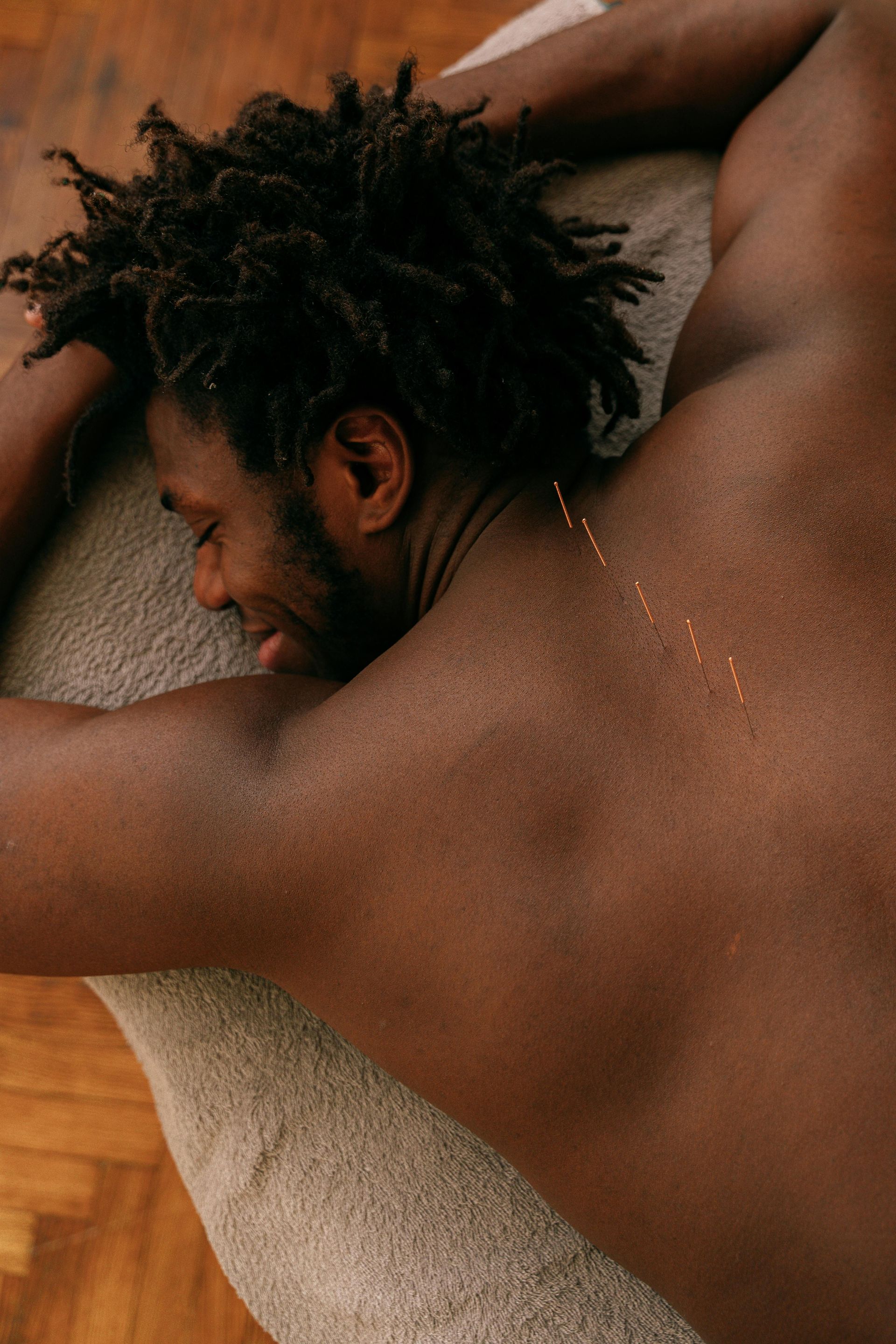
Acupuncture is a highly effective and non-verbal therapy that can help regulate the nervous system and alleviate PTSD symptoms without requiring patients to relive their trauma.
Many PTSD sufferers avoid traditional counseling because discussing past experiences can trigger flashbacks, anxiety, or emotional distress. Acupuncture provides relief without requiring talk therapy, making it a valuable alternative or complementary treatment.
Acupuncture vs. Traditional PTSD Treatments
While conventional treatments for PTSD often include counseling, cognitive therapy, and medications, they may not work for everyone. Acupuncture provides an alternative that:
✔
Promotes relaxation and emotional stability
✔
Reduces stress hormones and anxiety levels
✔
Supports better sleep and energy levels
✔
Encourages overall mental and physical well-being
A
University of New Mexico study found that
acupuncture was one of the most effective therapies for PTSD, offering significant symptom relief with
fewer side effects than traditional treatments.
Auricular (Ear) Acupuncture for PTSD
One of the most effective acupuncture techniques for PTSD is auricular acupuncture, which targets specific points in the ear that correspond to different brain functions.
By stimulating these points, acupuncture can help with:
- Emotional processing and trauma relief
- Reducing anxiety, depression, and stress
- Minimizing drug and alcohol dependency
- Improving sleep and cognitive function
Key Auricular Acupuncture Points for PTSD:
🌀
Shen Men – Calms the nervous system and reduces stress
🌀
Point Zero – Restores overall balance in the body
🌀
Hippocampus – Supports memory and emotional regulation
🌀
Master Cerebral – Improves mental clarity and reduces emotional distress
🌀
Hypothalamus – Helps regulate hormones and stress response
🌀
Amygdala – Reduces fear-based responses and emotional reactivity
By stimulating
these key points, acupuncture
addresses PTSD at its neurological root, helping to rebalance brain activity and emotional well-being.
Seeking Help: A Holistic Approach to PTSD
If you or someone you know is struggling with PTSD, acupuncture can be a powerful tool for healing. While it may not replace traditional therapy or medication for all individuals, it can be a valuable part of a comprehensive treatment plan.

What You Can Do:
✔ Consult a medical professional to discuss PTSD treatment options
✔ Explore complementary therapies like acupuncture and meditation
✔ Consider lifestyle changes, such as exercise, mindfulness, and healthy nutrition
PTSD is a serious condition, but healing is possible. Acupuncture offers a natural, effective, and drug-free approach to help individuals regain balance and move toward emotional well-being.
If you’re ready to explore acupuncture as a supportive treatment for PTSD, reach out to a licensed acupuncturist today and take the first step toward healing.