What Does Qi Mean?
There isn't a single English word that perfectly translates Qi.
Instead, Qi describes the body's vital activity—the movement and interaction of all the systems that keep us alive and functioning.
Rather than referring to one specific substance, Qi represents the body's ability to:
- Produce energy
- Circulate blood and fluids
- Digest food
- Fight illness
- Regulate hormones
- Heal damaged tissue
- Maintain healthy organ function
- Adapt to physical and emotional stress
In other words, Qi reflects how well your body is functioning as a whole.
Think of Qi Like a City
Imagine a busy city.
Roads allow traffic to move.
Power lines provide electricity.
Water pipes deliver clean water.
Communication networks keep everything connected.
When each system functions properly, the city runs smoothly.
But if a major highway closes, power goes out, or water pipes become blocked, problems begin to appear—not only where the issue started, but throughout the entire city.
Your body works in much the same way.
Qi is similar to the coordinated movement and communication that allows every part of the body to work together efficiently.
When everything flows smoothly, you generally feel healthy.
When that flow is disrupted, symptoms may develop.

Another Way to Think About Qi
Imagine an orchestra.
Each musician may play beautifully on their own, but the music only comes together when everyone is playing in harmony.
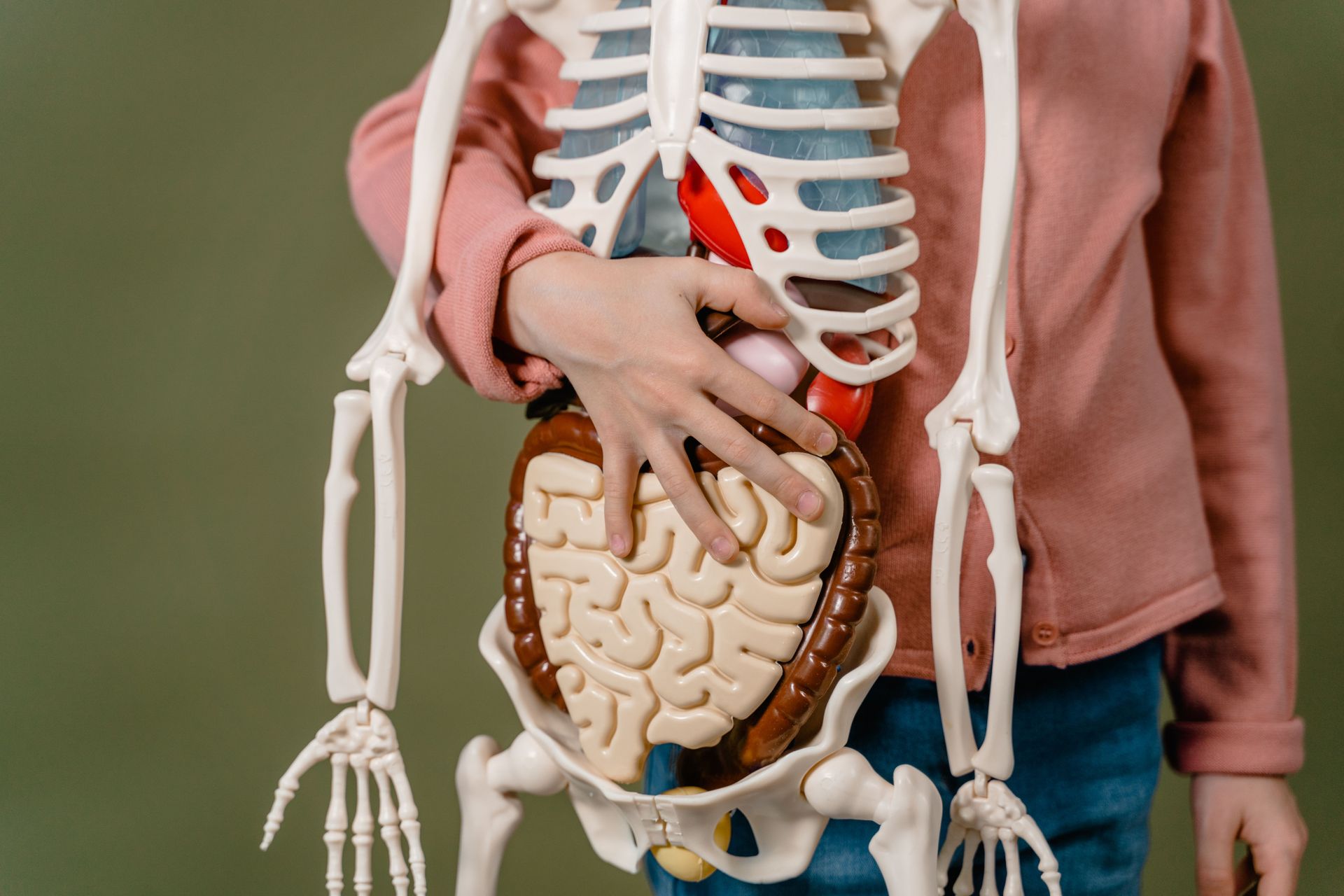
Your heart, lungs, digestive system, nervous system, muscles, immune system, and hormones all have different jobs, yet they constantly coordinate with one another.
Qi describes that harmony and coordination.
What Happens When Qi Becomes Imbalanced?
Traditional Chinese Medicine recognizes several common patterns of imbalance.
- Qi Stagnation
- Sometimes Qi doesn't move as smoothly as it should.
- This may be associated with symptoms such as:
- Muscle tightness
- Neck and shoulder tension
- Headaches
- Digestive bloating
- Irritability
- Menstrual discomfort
- Feeling "stuck" emotionally or physically
- Stress is one of the most common contributors to this type of imbalance.
- Qi Deficiency
- Sometimes the body simply doesn't have enough energy to perform its normal functions efficiently.
- Possible symptoms include:
- Fatigue
- Low motivation
- Weak digestion
- Frequent illness
- Shortness of breath
- Feeling drained after normal activities
- Many factors can contribute, including chronic stress, poor sleep, illness, overwork, or inadequate nutrition.
- Qi Rebellion
- Occasionally Qi moves in the wrong direction.
- Examples include:
- Acid reflux
- Nausea
- Vomiting
- Chronic coughing
- Hiccups
- Rather than flowing normally, the body's movement patterns become disrupted.
How Does Acupuncture Work?
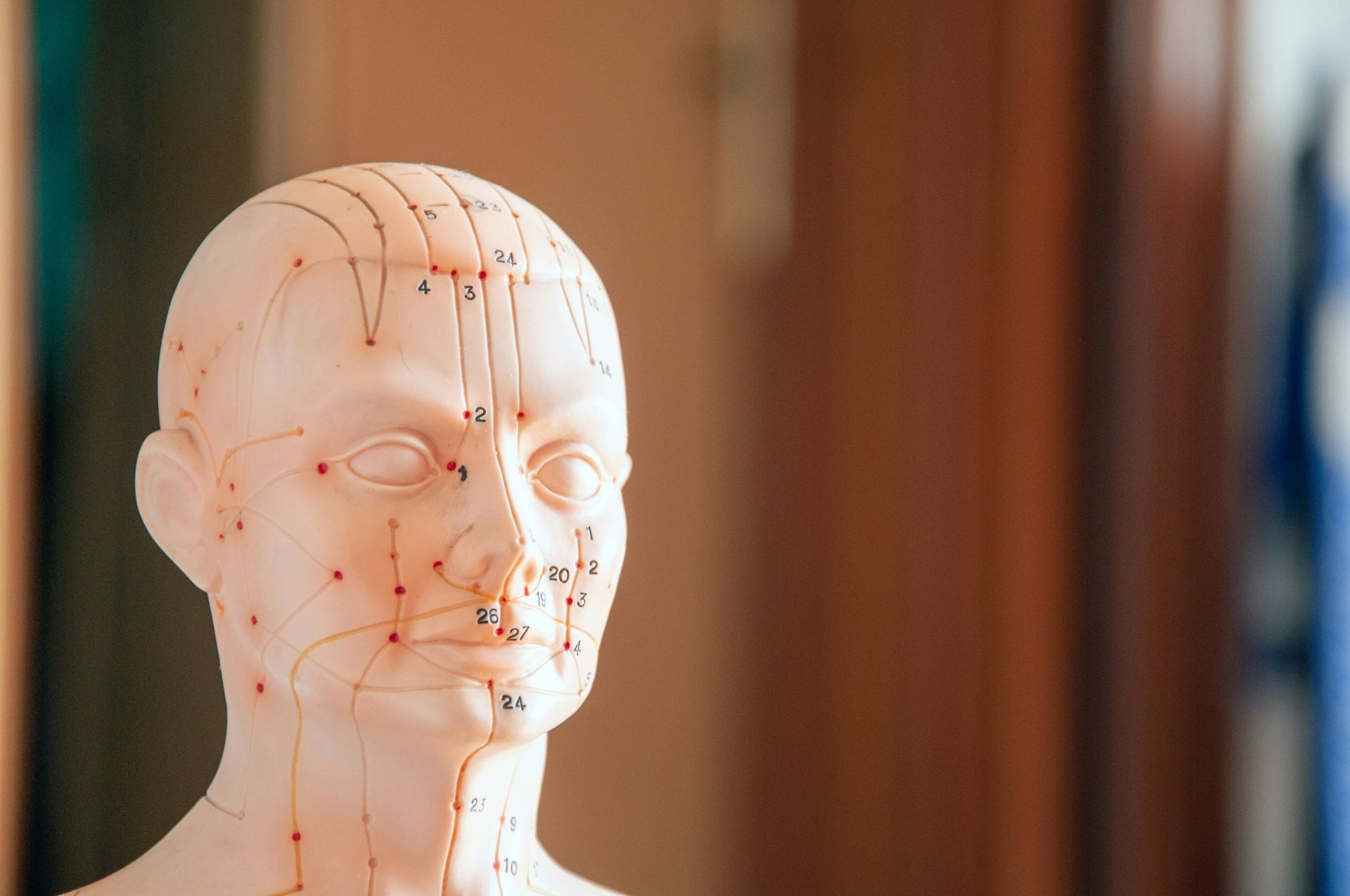
Acupuncture involves placing very fine, sterile needles into carefully selected points on the body.
From a Traditional Chinese Medicine perspective, these points help restore the smooth movement of Qi and encourage balance throughout the body's systems.
From a modern biomedical perspective, research suggests acupuncture may influence the nervous system, blood flow, connective tissue, and the release of natural chemicals involved in pain modulation and relaxation. Scientists continue to study exactly how these effects occur.
Many patients notice they feel deeply relaxed during treatment and often report improvements in symptoms such as pain, stress, sleep, and overall well-being.
Is Qi Something You Can Measure?
Qi itself isn't something that can be measured directly with a laboratory test.
Instead, it serves as a clinical framework that practitioners use to understand patterns of health and illness.
Modern medicine also uses models that describe complex processes rather than single measurable substances. For example, terms like "metabolism," "immune function," or "stress response" represent many interacting systems rather than one isolated entity.
Similarly, Qi is a way of describing how the body's systems work together.
Why Does Your Acupuncturist Check Your Pulse and Tongue?
During your first appointment, your practitioner may examine your pulse and tongue.
These observations provide clues about how different body systems are functioning and help identify patterns of imbalance.
Combined with questions about your sleep, digestion, stress, pain, energy, and medical history, this information helps create an individualized treatment plan.
No two patients receive exactly the same acupuncture treatment because no two people have exactly the same pattern of imbalance.
Is Qi a Spiritual Concept?
Some people associate Qi with spirituality, while others simply view it as a traditional way of describing the body's function.
At Lotus Acupuncture & Wellness, our focus is on helping patients feel better—regardless of how they personally interpret Qi.
You don't need to believe in Qi for acupuncture to be part of your healthcare. Many people seek treatment simply because they're looking for a natural, evidence-informed approach to managing pain, stress, digestive issues, women's health concerns, or overall wellness.
Why Understanding Qi Matters
Qi reminds us that the body is interconnected.
A headache may be influenced by stress, poor sleep, muscle tension, posture, or digestion.
Digestive symptoms may affect energy.
Chronic pain can disrupt sleep.
Stress can influence hormones.
Rather than viewing these as isolated problems, Traditional Chinese Medicine looks at how they relate to one another.
This whole-person perspective allows practitioners to create personalized treatment plans that address patterns instead of focusing on a single symptom.
Experience Traditional Chinese Medicine for Yourself
Understanding Qi doesn't require memorizing ancient theories. It's simply an invitation to think about health in a more connected way.
Whether you're seeking relief from chronic pain, digestive concerns, stress, fertility challenges, women's health conditions, or simply looking to improve your overall well-being, acupuncture offers a personalized approach that works with your body's natural ability to heal.
At Lotus Acupuncture & Wellness in Merrimack, NH, we're committed to helping you understand your health and feel confident in your care. We take time to listen, answer your questions, and create a treatment plan tailored to your unique needs.
If you've been curious about acupuncture, we'd love to help you take the next step.
Schedule your consultation today and discover how Traditional Chinese Medicine can support your health—naturally.

Contact Lotus Acupuncture & Wellness
Ready to experience the best acupuncture care in Southern NH? Contact Lotus Acupuncture & Wellness today:
📍 Location: 3 Mound Court Unit 4, Merrimack, NH 03054
📞 Phone: 603-377-6633
📧 Email: lotus@lotusacupuncturewellness.com
🌐 Website: www.lotusacupuncturewellness.com
With expert care, a patient-centered approach, and an ADA-accessible facility, Lotus Acupuncture & Wellness is the top choice for acupuncture in Merrimack, Amherst, Bedford, Milford, Nashua, Manchester, and beyond.
Take the first step toward natural healing and well-being—schedule your appointment today! ✨