Why does an acupuncturist examine your tongue? Learn what tongue color, shape, moisture, and coating may indicate within Chinese medicine—and how these observations help personalize acupuncture treatment.
At your acupuncture appointment, you may be asked to stick out your tongue for a few seconds. It can feel like an unusual request, especially when your main concern is back pain, headaches, digestion, stress, or menstrual symptoms.
In Traditional Chinese Medicine, looking at the tongue is one part of a broader assessment. The tongue gives the practitioner a visible, moment-to-moment impression of patterns involving circulation, fluids, digestion, temperature, and overall vitality within the traditional framework.
Tongue findings are never meant to stand alone. They are considered alongside your symptoms, health history, pulse, medications, lifestyle, and treatment goals.
Why the Tongue?
The tongue is a highly vascular muscular organ covered by moist tissue. Its appearance can change in response to food, hydration, oral hygiene, medications, illness, irritation, tobacco use, and many other factors.
Chinese medicine developed a detailed system for observing those changes. Practitioners traditionally consider:
- Tongue-body color
- Shape and size
- Moisture
- Coating color and thickness
- Cracks, spots, or other surface features
- Movement and flexibility
- Veins beneath the tongue
The goal is not to diagnose a disease by sight. Instead, these observations help the practitioner identify a Chinese medicine pattern and decide whether the day’s treatment should emphasize nourishing, warming, cooling, moving, calming, or supporting digestion and fluids.
What Does the Practitioner Look At?
Tongue-Body Color
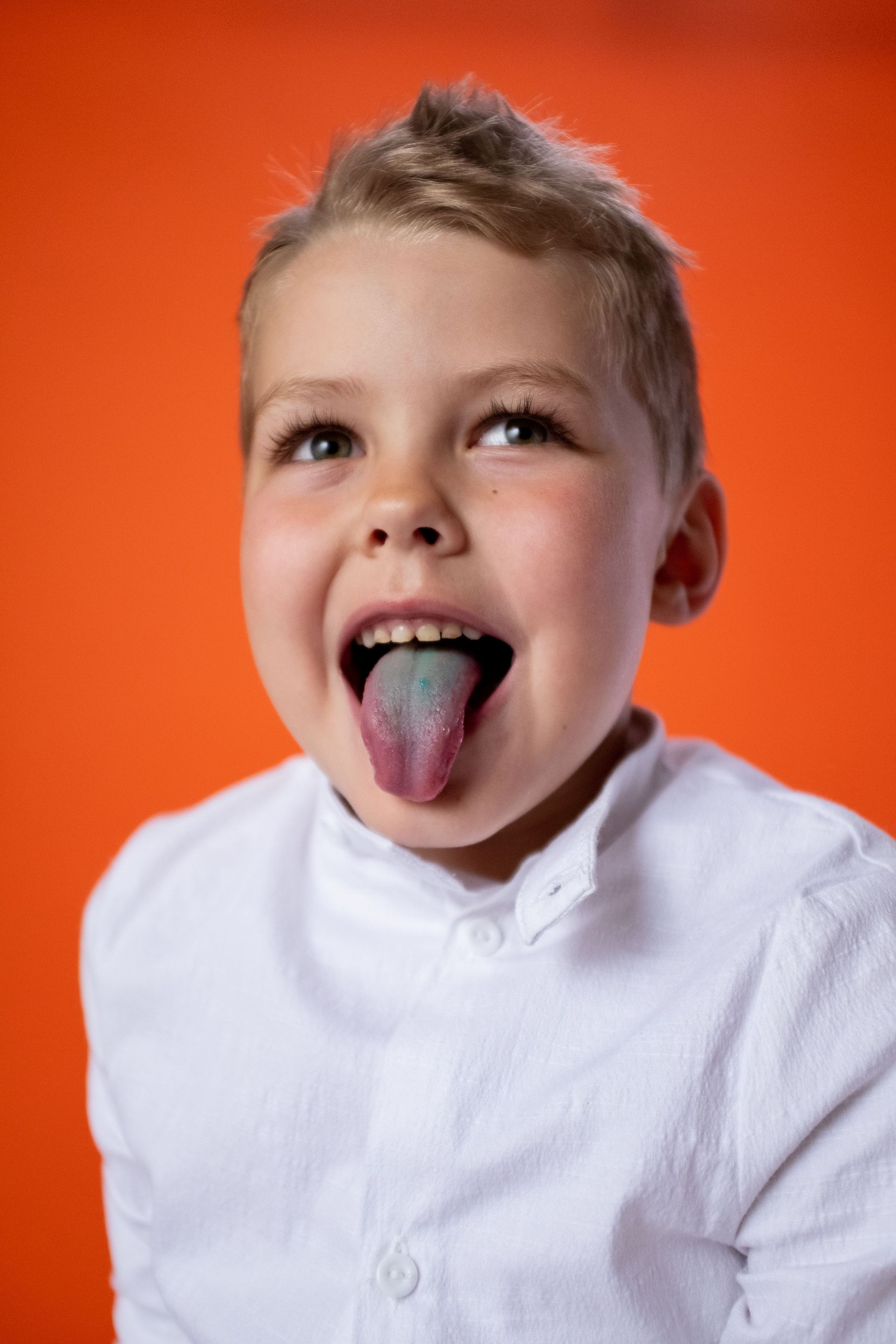
The tongue body refers to the tongue itself beneath the coating. Within Chinese medicine, common descriptions include:
- Pale: May contribute to a traditional pattern involving deficiency, coldness, or insufficient Blood
- Red: May be considered in patterns involving Heat or reduced cooling and nourishing fluids
- Dusky or purple: May contribute to a pattern involving impaired movement of Qi or Blood
- Pink: Often considered closer to a balanced or typical presentation, depending on the other findings
Tongue color alone cannot diagnose anemia, circulation problems, infection, or another medical condition. Lighting, food coloring, medications, and natural variation can all affect appearance.
Shape and Size
The practitioner may notice whether the tongue appears swollen, narrow, thin, long, short, or otherwise distinctive.
A swollen tongue may be considered alongside symptoms such as heaviness, fluid retention, fatigue, or digestive concerns. A thinner tongue may be viewed in relation to dryness, deficiency, or reduced nourishment within the traditional framework.
Body shape, genetics, dental structure, hydration, and oral conditions can also influence tongue shape.
Scalloped Edges
Small tooth impressions along the sides are commonly called scallops or teeth marks. In Chinese medicine, they are often considered with patterns involving digestive weakness, fluid metabolism, or Qi deficiency.
Scalloping may also occur when the tongue presses against the teeth because of swelling, jaw tension, sleep-related habits, or normal anatomy. It is one finding—not a diagnosis by itself.
Tongue Coating
The tongue coating is the visible layer on the surface. Your practitioner may assess its color, thickness, moisture, distribution, and whether it is easy to remove.
Traditional descriptions may include:
- Thin white coating: Often considered a relatively typical finding
- Thick coating: May be considered with digestive disruption, accumulation, Dampness, or Phlegm patterns
- Yellow coating: May contribute to a Heat pattern when it fits the rest of the presentation
- Peeled or absent coating: May be considered in relation to reduced fluids or Yin
- Greasy coating: May be associated traditionally with Dampness or Phlegm
Coating can be affected by oral bacteria, dehydration, smoking, food, beverages, medications, illness, and whether you recently brushed or scraped your tongue.
Moisture and Dryness
The tongue may appear dry, normally moist, or unusually wet. Chinese medicine practitioners compare this with thirst, hydration, urination, sweating, digestion, temperature preferences, and other symptoms.
A dry tongue does not automatically mean that someone is dehydrated, and a wet tongue does not confirm a particular disorder. The complete clinical picture matters.
Cracks and Fissures
Some people naturally have a fissured tongue, and its appearance may remain stable for years. Chinese medicine also considers the depth, location, and moisture of cracks as part of pattern differentiation.
A crack is not automatically evidence of disease or a problem with the organ traditionally associated with that region.
Spots, Red Points, and Changes in Texture
Small red points, areas with less coating, or changes in texture may be noted and compared with symptoms. However, painful, bleeding, enlarging, hardened, or persistent lesions require dental or medical evaluation rather than interpretation through Chinese medicine alone.
Veins Under the Tongue
Your acupuncturist may briefly ask you to lift your tongue. The sublingual veins can vary in size and color. Within Chinese medicine, prominent, dark, or distended veins may be considered when assessing Blood stasis or impaired circulation patterns.
This traditional observation does not diagnose a clot, vascular disorder, or heart condition.

Does Every Part of the Tongue Represent an Organ?
Chinese medicine traditionally uses a tongue map that associates general regions with functional systems. For example, the tip is often considered in relation to the Heart system, the center with the Spleen and Stomach systems, the sides with the Liver and Gallbladder systems, and the root with the Kidney and lower-body systems.
These are traditional functional relationships, not a literal anatomical map. A red tongue tip does not mean that a patient has heart disease, and a crack in the center does not diagnose a stomach disorder.
The names of TCM organ systems describe networks of functions and patterns that are broader than the physical organs bearing the same names.
How Tongue Findings Help Guide Acupuncture
Tongue observations may help confirm or challenge the practitioner’s initial impression.
For example, two patients may both report fatigue and bloating. One may have a pale, swollen, moist tongue with teeth marks. Another may have a redder, drier tongue with little coating. Although the symptoms overlap, the traditional patterns—and therefore the acupuncture treatments—may be different.
Tongue findings may influence:
- Acupuncture-point selection
- Whether treatment emphasizes warming, cooling, nourishing, or moving
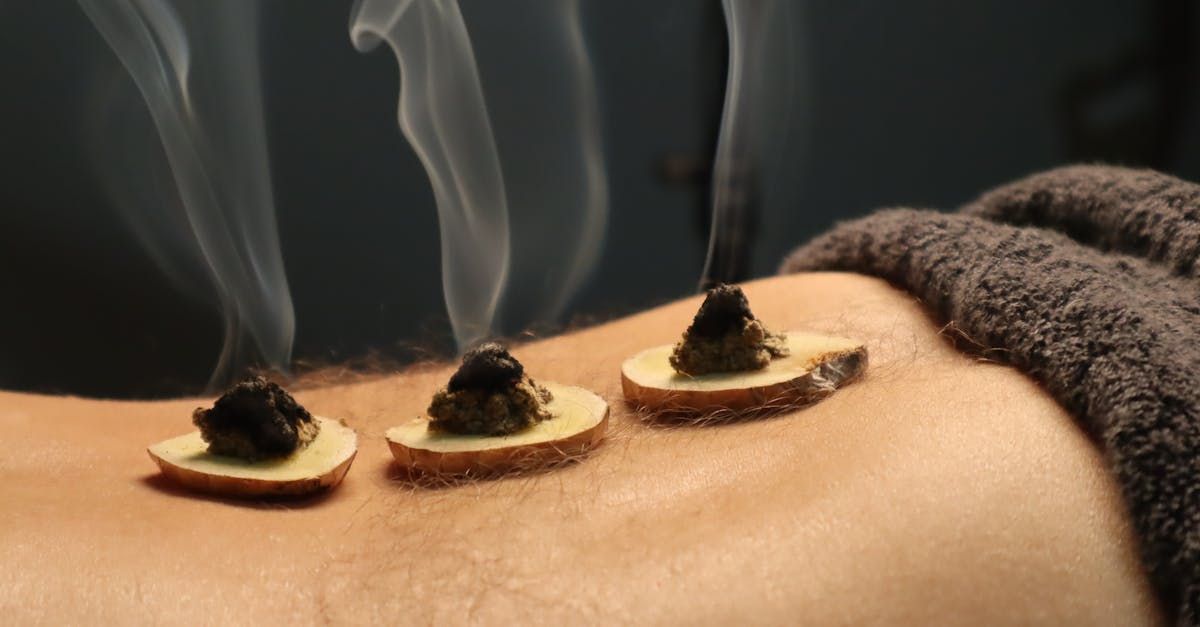
- Whether moxibustion may be appropriate
- The intensity of treatment
- Chinese herbal considerations
- Dietary and lifestyle guidance
- How the plan changes over time
This is one reason acupuncture treatment is individualized rather than based only on the name of a symptom.
Why Does My Tongue Look Different From One Visit to the Next?
The tongue can change. Short-term influences include:
- Food and brightly colored candy
- Coffee, tea, wine, and other beverages
- Dehydration
- Fever or acute illness
- Antibiotics and other medications
- Smoking or vaping
- Mouthwash and oral-care products
- Tongue brushing or scraping
- Poor sleep and stress
Changes across several appointments may help the practitioner observe trends, but they are not proof that a medical condition has appeared or resolved.
Should I Prepare My Tongue Before an Appointment?
Normal oral hygiene is fine. You do not need to avoid brushing your teeth or arrive with an intentionally unclean tongue.
If possible, avoid foods or candy that strongly stain the tongue immediately before your appointment. Tell your practitioner if you recently drank coffee, used a tongue scraper, started antibiotics, used an inhaler, or noticed a new oral change. This context makes the observation more useful.
What Tongue Diagnosis Cannot Tell Us
Tongue inspection cannot independently diagnose anemia, diabetes, infection, cancer, digestive disease, vitamin deficiency, thyroid disease, or another biomedical condition. Those concerns require appropriate history, examination, laboratory testing, imaging, dental assessment, or specialist care.
Research has explored whether practitioners can reliably agree on particular tongue characteristics. Some studies demonstrate acceptable agreement for certain features, while other findings show variability and the need for better standardization. Responsible practitioners therefore use the tongue as one piece of a multifaceted assessment—not as a stand-alone test.
When Should a Tongue Change Be Evaluated Medically?
Contact your dentist or medical provider if you notice:
- A sore, lump, patch, or discoloration that does not resolve within about two weeks
- Unexplained bleeding
- Increasing pain or swelling
- Difficulty chewing, swallowing, speaking, or moving the tongue
- Persistent numbness
- A firm or enlarging area
- A new white or red patch that does not improve
- Fever or signs of infection
Routine dental examinations are also important because dentists assess the mouth and tongue for oral disease.
One Part of Your Whole Health Story
When your acupuncturist looks at your tongue, they are not searching for one finding that explains everything. They are gathering another piece of information to compare with your pulse, symptoms, health history, and how you feel that day.
Think of the tongue as one page in your health story—not the entire book.

Contact Lotus Acupuncture & Wellness
Ready to experience the best acupuncture care in Southern NH? Contact Lotus Acupuncture & Wellness today:
📍 Location: 3 Mound Court Unit 4, Merrimack, NH 03054
📞 Phone: 603-377-6633
📧 Email: lotus@lotusacupuncturewellness.com
🌐 Website: www.lotusacupuncturewellness.com
With expert care, a patient-centered approach, and an ADA-accessible facility, Lotus Acupuncture & Wellness is the top choice for acupuncture in Merrimack, Amherst, Bedford, Milford, Nashua, Manchester, and beyond.
Take the first step toward natural healing and well-being—schedule your appointment today! ✨